Master English Communication • 4 min read • Dec 9, 2025 6:20:03 PM • Written by: Anita Alig
Email Writing – Language Lab
With AI at hand, refining your email writing skills may not be a priority. And yet, more and more people redouble their efforts to create eloquent, clear, and concise emails that will strengthen bonds with recipients. For that, precisely, is the issue with AI: it is incapable of adding personal tone and content to the right writing register, leaving readers lukewarm on receipt.
We’ve decided to make email writing the topic of this month’s language lab. You will find the basic considerations, structure, and a comprehensive selection of phrases to help you pen every email with ease, no matter to whom you are writing.
Match Readers and Language Register
Before you set out to your email, you need to categorise your recipients. Three categories exist:
- Friends, family, long-term colleagues, or clients
- Acquaintances, existing clients/customers, colleagues or superiors
- Potential clients, cold leads
It goes without saying that each audience matches a specific language register, namely:
- Informal language
- Semiformal language
- Formal language
Within each part of your email, you will use one of the above. Let’s start with the greeting:
- Informal: Hi, hello, or no greeting
- Semiformal: Hi, hello, dear
- Formal: Dear + title (Mr, Mrs, Dr, Prof,…), Dear + first name, Good morning, …..
- Each country has a specific email etiquette. In Japan, for instance, they like to start with a friendly Good morning. Working cross-culturally, you must research the rules of engagement so as not to offend or miss an opportunity to build lasting relationships.
Equally, industries possess their own communication customs for you to learn on your professional trail. Jargon, formality levels, and acronyms are some of the linguistic aspects to consider.
Failsafe Email Structure
Although Childsplay, recalling the must-include elements of an email, is a great starting point:
Subject Line
The subject line is the most critical part of your email. Fail to write a good one, and, at best, your recipient will frown; at worst, they’ll bin it before opening it.
Winning subject lines are brief, clearly stating the topic and purpose, preferably with specifics:
- Bad Subject Line: tomorrow’s meeting agenda
- Good Subject Line: Agenda for 10 am Strategy Session
Avoid salesy, CTA-type language, capitalisation, and exclamation marks. Among colleagues, resist the temptation to use unspecific, overly informal language.
Greeting
As previously mentioned, the greeting depends on the relationship you have with your recipient. Follow the guide, and you’ll get it right.
Email Opener
The email opener serves to make a personal connection and speak to your reader directly, however briefly. Here are some samples:
- Formal: I hope this email finds you well.
- Semiformal: I hope the week is going well for you.
- Informal: How’s it going?
You can omit the opener in all emails to contacts you regularly write to and when responding to them. Back-and-forth emails won’t need an opener either, with most even leaving out the greeting.
Email Body
Use clear and concise language in the main body of the email. State the purpose of the email and request the answer or action you require within a few sentences.
Most people receive one hundred or more emails every week, so you do not want to bother them with a novel.
Finish your formal or semiformal emails by offering supporting documentation or with a polite request.
Closing
At the end, it’s just about finding the right tone. Here are some examples:
Informal
Cheers, See you soon, Speak soon, Take Care,….
Semiformal
Regards, Best Regards, Best, ……
Formal
Yours Sincerely, With Kind Regards, Yours Truly,…….
One Email: Three Relationships Three Tones
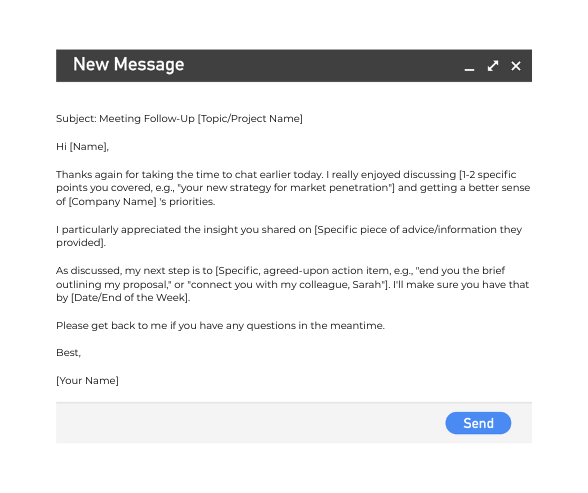
Here are three versions of one email, each for a different contact group:
Formal
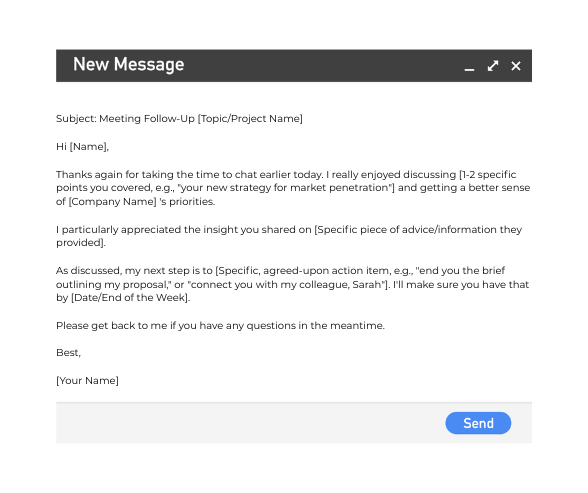
Semiformal
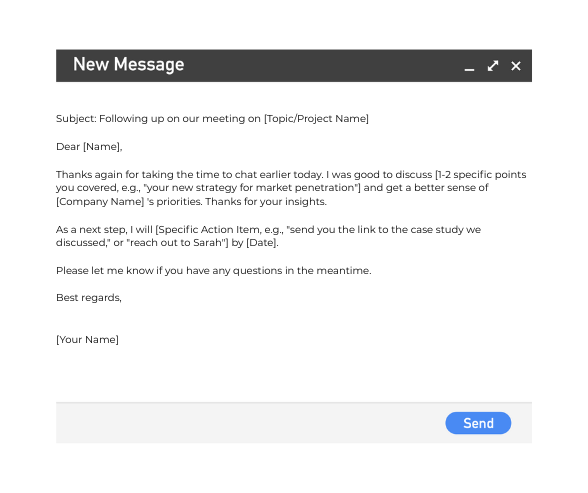
Informal

Avoid Capitalisation, Emojis, and Exclamation Marks
Unless you have a personal connection with someone, emojis are not appropriate.
Nowadays, most associate exclamation marks and capitalisation with spam, so it’s best to avoid them altogether.
You can learn a lot from studying the emails you receive and, to a degree, replicating them in terms of register, language, and style.
And those emails are your best starting point toward email excellence.